
 Solar Inverter
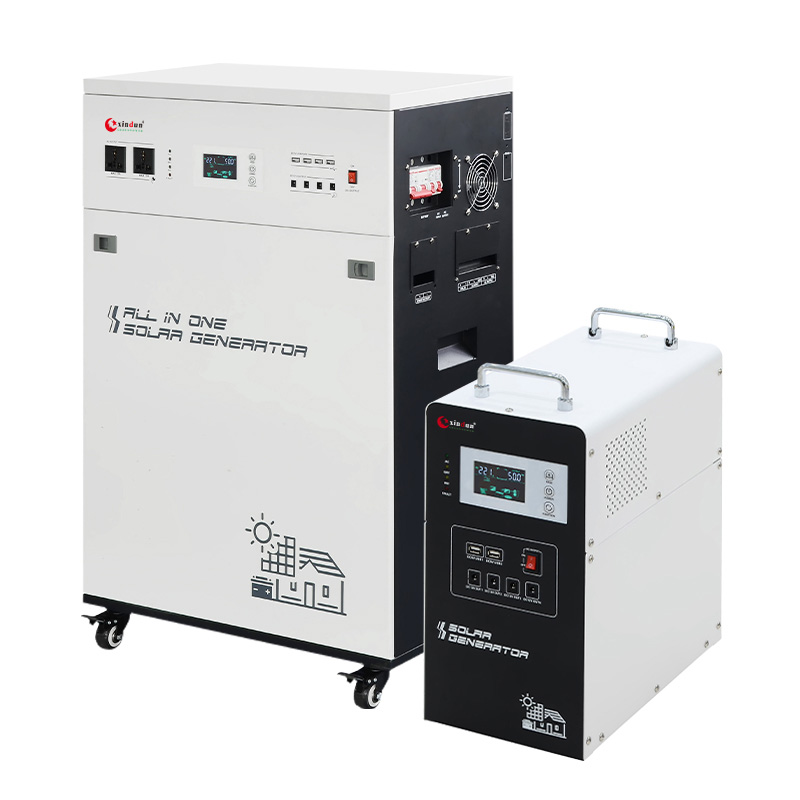
 Hybrid Inverter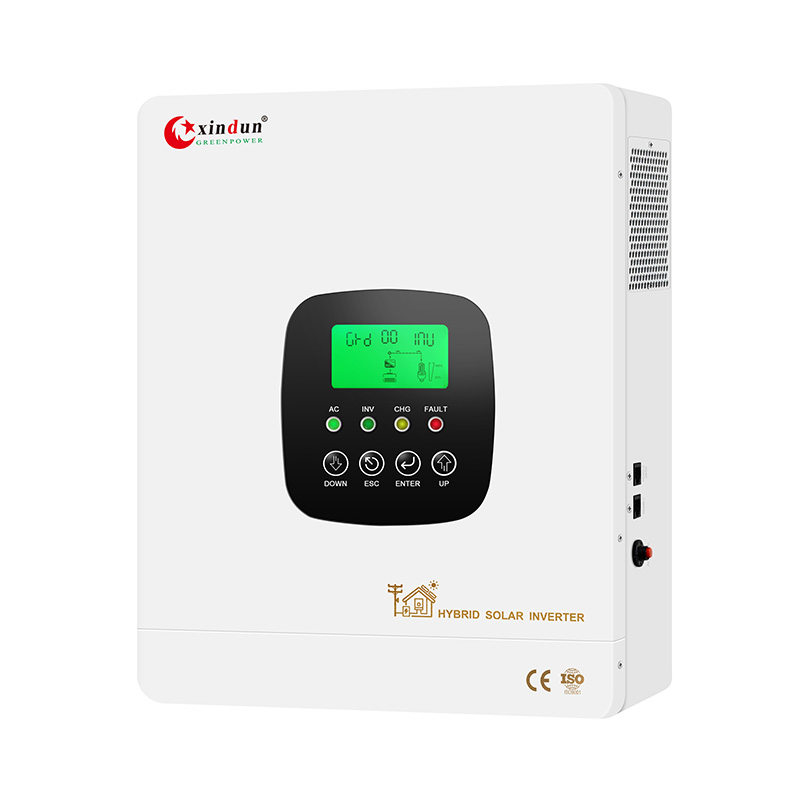
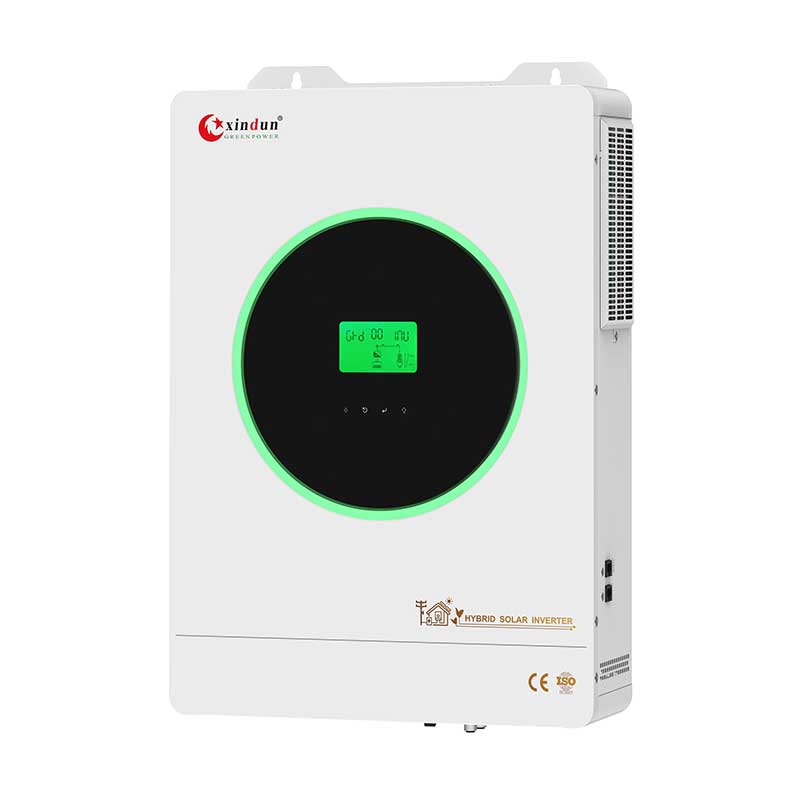
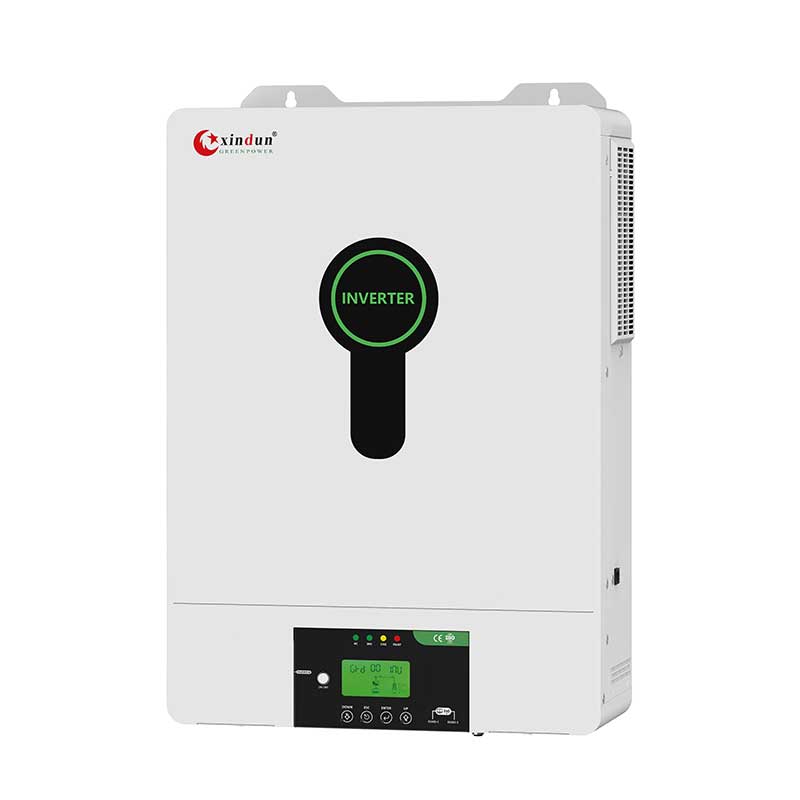
 Power Inverter
 Split Phase Inverter
 Energy Storage Inverter

 3 Phase Inverter
 Solar System Kits
 Solar Charge Controller

 Solar Battery
 Asia
Asia
 Africa
 South America
 Europe
 North America
 Oceania & Antarctica


 Inquire
 Home
HomeHow to verify solar inverter certifications (CE and UL) before selecting a Chinese supplier in 2026
 Jul 11,2026

 XINDUN
Author: Senior Purchasing Specialist, Guangdong Xindun Power Technology Co., Ltd.
1. What are CE and UL?
Before you can perform the verification, you need to know what you are verifying.
CE is a mandatory conformity mark for products sold in the European Economic Area. It indicates that the product meets the EU's safety, health, and environmental requirements. For solar inverters, CE covers the Low Voltage Directive (LVD) and Electromagnetic Compatibility (EMC).
UL is an industry standard for product safety certification in the United States, developed by the U.S. Safety Testing Laboratory (UL), primarily targeting the North American market. For solar inverters, the key standard is UL 1741, which covers grid connection and anti-islanding protection.
A key difference is that while CE certification can be declared by the manufacturer, solar inverters require audits by an EU-authorized third-party testing body (Notified Body) to obtain CE certification. UL, on the other hand, requires factory audits and ongoing compliance checks, making it more difficult to obtain—but also easier to verify.
2. Which regions require CE and UL certifications?
Different markets, different rules.
|
area |
Required certification |
What you need to know |
|
Europe |
CE (LVD+EMC), VDE-AR-N 4105, G98/G99 |
CE marking is a mandatory requirement for customs clearance in the European Union. |
|
North America |
UL 1741 SA or SB, FCC Part 15 |
Most AHJ (local inspection agencies) require UL certification. |
|
Australia |
CEC Listing, AS/NZS 4777 |
/ |
|
South Africa |
NRS 097-2-1 |
/ |
|
Southeast Asia |
Local certification (such as Indonesia's SNI) |
/ |
Key takeaway for 2026: For the US market, only UL 1741 SA or SB versions are accepted. Older versions of UL 1741? They will be rejected . If your supplier cannot tell you which version they hold, it means they are not yet ready to enter the US market.
3. What happens if the certificate is forged or expired?
I've seen this happen more than once. The buyer receives a beautiful certificate PDF, places an order, and then:
Goods detained by customs – CE is an EU entry requirement. If the certificate number cannot be found, the goods are held up at the port.
The grid inspector said no – in the US, the AHJ verifies the UL file number. A mismatched or expired number means grid connection is impossible.
Distributors lose customers – a single failed shipment or refused installation can ruin a local distributor's reputation. Trust takes years to build, but a single mistake can destroy it.
These mistakes come at a high cost. Not just financially—but also in terms of time and relationships. And most buyers discover the problem too late.
4. 48-hour verification method
After auditing over 70 inverter factories in China since 2016, this is the method I've used. It works. Here's what I ask any potential supplier—you can do the same.
Step 1: Complete CE documentation – not just the cover
Q: The CE certificate provided by the supplier looks genuine, but I'm not sure. What's the fastest way to verify it?
A: Two actions:
1. Ask the other party to send a complete test report (not just the cover page) – legitimate factories have these, and those that can't are immediately rejected.
2. Log in to the EU NANDO database to check if the issuing authority is on the list—if it is not on the list, there is no need to proceed.
If the other party says, "We can't release the full report because of the confidentiality agreement," that's just an excuse. Factories that genuinely export their products can show their certification documents to clients. Confidentiality agreements block competitors, not clients.
Step 2: Official UL file number + version confirmation
UL wants two things:
Official UL file number
Please confirm which version is being referred to in writing: UL 1741 SA or UL 1741 SB.
SA covers grid support functions. SB adds bidirectional power flow, making it suitable for battery energy storage systems.
If they can't distinguish between SA and SB, it means they're not ready to enter the US market. Eliminate them immediately.
Step 3: Recent Bill of Lading
Request three bills of lading from the past 6 months and ship the goods to your target market (these can be anonymized).
Why? Because shipping records prove they actually shipped to your area—not just talk.
Step 4: Workshop video of the day
Request a 5-minute video clip of the workshop taken that day. The video should show:
The production line is running.
Finished Goods Inventory
Visible date/time stamp (whiteboard or phone screen)
Certificates can be borrowed. Photos can be photoshopped. Genuine production cannot be faked.
Step 5 (added in 2026): Firmware update log + third-party power grid test report
Even a valid UL 1741 SA standard is insufficient. US utilities are now requiring grid communications and cybersecurity compliance. Europe is enforcing the RED cybersecurity standard (IEC 62443).
You can ask this question: "Share your latest firmware update logs and third-party power grid test reports."
Truly compliant factories can provide services within hours. Suppliers with only paper documentation will make excuses or remain silent. This single screening criterion reduced my 2026 supplier shortlist by 40%.
How Suppliers Should Respond – Quick Guide
|
Supplier type |
What you see in 48 hours |
what does that mean |
|
✅ Reliable factory |
Complete documentation, provided on time, no excuses. |
Real production, genuine compliance |
|
⚠Edge Suppliers |
Delays exceeding 3 days require a confidentiality agreement or approval. |
It may be outsourced, with weak compliance. |
|
❌ High-risk suppliers |
Refusal, making excuses, or not replying |
No factory, forged certificates, purely a middleman. |
Rule of thumb: If they're not transparent before you place an order, they won't be transparent afterward. The quality and after-sales service will only be worse.
I use this standard with all my suppliers, including our own factory – Guangdong XindunPower Technology Co., Ltd. Chapter 5 below presents our verification results.
5. Xindun Power – Our products are CE certified and UL compliant.
We applied the same 48-hour test to ourselves.
Our CE certification: We have passed rigorous testing by a professional third-party testing organization and possess complete CE test reports and declarations of conformity, covering our entire inverter model range. Complete certification documentation—including test reports, declarations of conformity, and a model coverage list—is readily available for customer verification.
For North American markets, we can supply inverters built to UL 1741 SA/SB specifications based on project requirements. Contact our team with your technical specs—we'll share the relevant documentation and discuss options.
We provide real factory videos, shipping records, and firmware test reports—not just screenshots.
Why we are transparent:
In B2B procurement, trust is built on verifiable data—not marketing rhetoric. We invite you to test us using the same verification process. We stand the test.
6. Warning Signs – What Must Be Avoided
Based on actual on-site audit experience, avoid suppliers exhibiting the following characteristics:
Only a certificate screenshot – no complete test report.
Residential address or post office box – not an industrial park address
There are no local customers in your target market.
Refusing to show complete certification documents on the grounds of "confidentiality"
If you see any of these, leave.
Frequently Asked Questions
Q: How do I verify the authenticity of a CE certificate after receiving it?
A: Check three things: whether the model number matches, whether the expiration date has expired, and whether the issuing body is registered in the EU NANDO database. Additionally, request a complete test
report, not just a cover page; reputable factories can provide these.
Q: What if the supplier says "the certificate is being processed"?
A: "Processing" means it cannot be used for shipping today. Only valid, active certifications for the model you purchased are accepted. There are no exceptions.
Q: What is the difference between UL 1741 SA and SB?
A: SA covers grid support functions (voltage/frequency ride-through). SB adds bidirectional power flow to battery storage systems. Both are valid until 2026, but you need to know which one your project requires.
Conclusion
A reliable Chinese solar power inverter supplier is not the one with the prettiest certificate PDFs—but the one that provides verifiable documentation, genuine production visibility, and transparent responses.
If you are sourcing for the European or North American markets in 2026, please use the 48-hour method. Verify CE and UL before placing your order—not after.
We invite you to conduct this test on Guangdong Xindun Power Technology Co., Ltd. Our certifications, factory records, and shipping history are all open for verification. This is how we build lasting partnerships.
If you're scouting suppliers for 2026, consider adding Xindun Power to your 48-hour test list. We can withstand scrutiny.
 Split-Phase Hybrid Inverter: 4 Charging Modes for Battery Energy Storage System
 Top Selling Products













 WeChat
 Email
Email WhatsApp